The 2026 Hyundai Tucson arrives as a significant update to one of the world’s best-selling compact SUVs, bringing enhancements in exterior design, interior technology, powertrain options, and safety equipment. While Hyundai has not released every official detail, multiple credible industry sources outline the key changes and what buyers can expect from the refreshed 2026 model.
Exterior Design: Bolder, More Modern Look
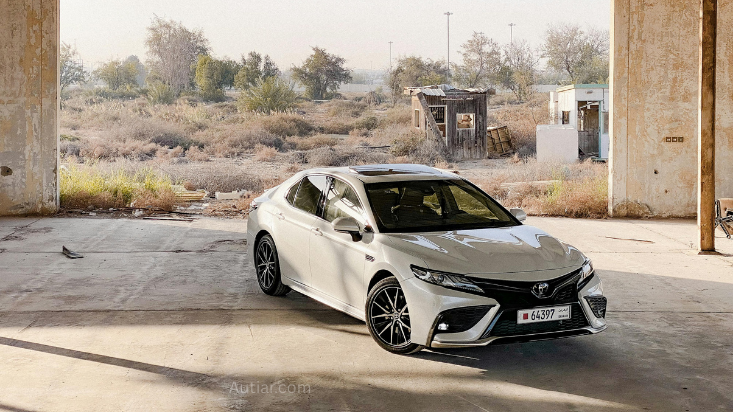
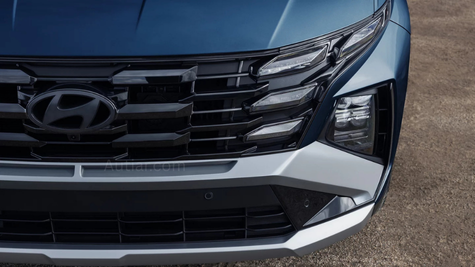
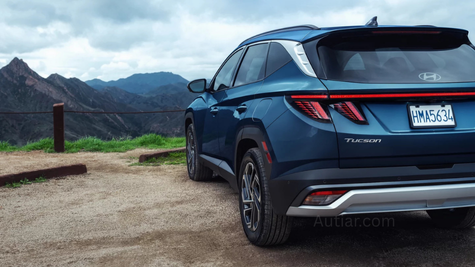
For 2026, the Hyundai Tucson receives a more assertive exterior design that blends contemporary style with rugged cues. The facelift moves away from the more curvaceous look of recent years toward a blockier, SUV-inspired aesthetic, referencing design elements from the larger Santa Fe and even some cues reminiscent of off-road vehicles.
Changes include:
- A revised front fascia with a larger, more aggressive grille
- New LED headlamp and taillamp signatures
- More sculpted body panels and squared-off wheel arches
- Distinctive wheel designs that enhance stance and visual width
These updates aim to keep the Tucson visually competitive against strong rivals in the compact SUV segment, such as the Toyota RAV4 and Honda CR-V, while giving it a fresh look for 2026.
While some outlets describe the upcoming model as a full redesign, others characterize it as a substantial facelift expected to debut ahead of—or during—the third quarter of 2026.
Interior & Technology: Smarter and More Refined
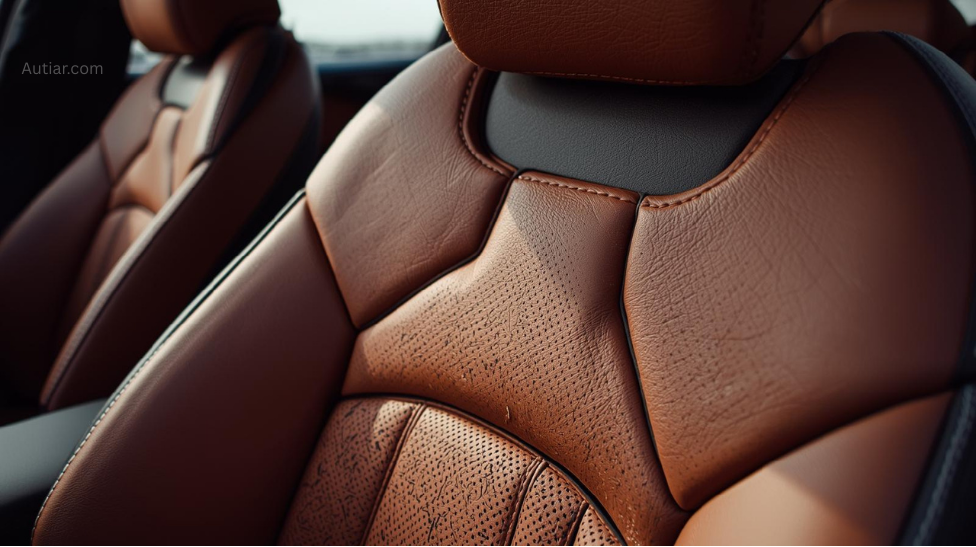
Inside, the 2026 Tucson builds on an already well-regarded cabin by adding improved technology and usability enhancements.
Key interior updates likely include:
- Larger and more intuitive infotainment displays (trend seen across Hyundai’s recent updates)
- Optional digital instrument clusters with sharper graphics
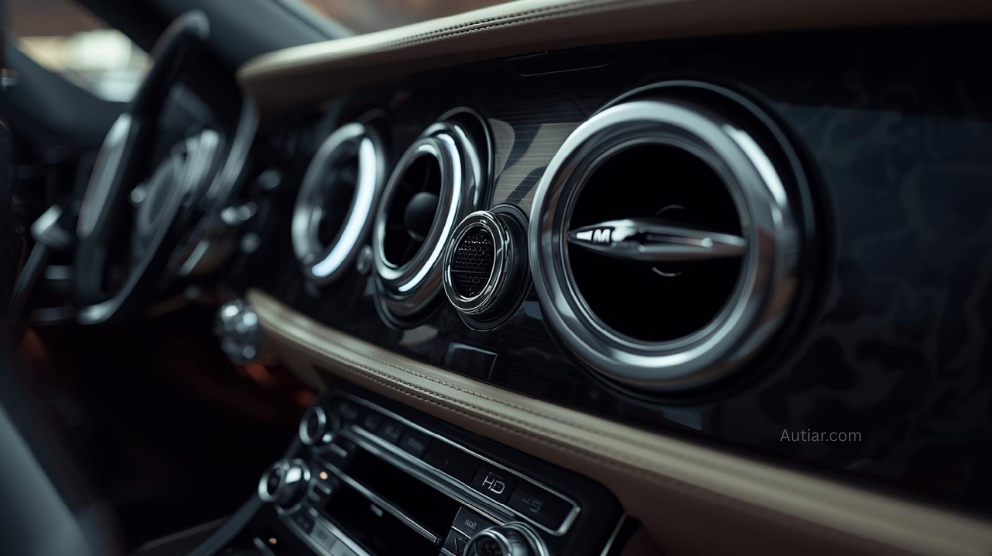
- Redesigned center stack and climate controls for easier interaction
- Wireless smartphone charging and enhanced connectivity features
Trim differentiation has become more pronounced in the 2026 lineup. For example, certain trims (such as XRT) add rugged visual cues and equipment, while higher grades focus on convenience and comfort features.
Hyundai’s continued integration of its SmartSense suite enhances usability, with intuitive menus and driver aids built into the onboard systems. Though exact display sizes and resolution details are not yet universally confirmed, sources indicate a move toward premium tech experiences that align with competitor SUVs.
Powertrains & Mechanical Updates
The 2026 Tucson’s mechanical lineup receives notable refinements. The previous generation offered a mix of petrol, mild-hybrid, hybrid, and plug-in hybrid powertrains. For 2026, the focus is shifting:
- Traditional gasoline engines have been revised or replaced. Recent market reports note that the older base 1.6-liter gasoline unit was dropped in favor of newer 1.6-liter turbocharged variants with outputs near 150–180 PS, paired with modern transmission choices.
- Hybrid powertrains have been refined with a higher combined output (reported at around 239 PS system power) compared with previous versions, improving performance and efficiency.
- Towing capacity is also up, with processes streamlined through upgrades to cooling systems and drivetrain calibration.
- All-wheel-drive availability continues across many trims, supporting traction in varied road conditions.
These powertrain changes are expected to benefit both everyday driving and highway use, positioning the 2026 model as a more capable and efficient SUV compared to its predecessor.
Explore More: 2026 Yamaha YZF-R7 Unveiled with Advanced Features & Upgrades
Safety: Enhanced Driver Assistance & Standard Features
Safety remains a key pillar of the Tucson’s appeal. The 2026 update builds on Hyundai’s SmartSense suite of active safety systems, which include:
- Forward collision avoidance with pedestrian detection
- Lane-keeping assist
- Blind-spot monitoring and rear cross-traffic alert
- Adaptive cruise control
While global crash ratings (IIHS, Euro NCAP) for the 2026 Tucson are not yet published, the predecessor’s strong safety architecture suggests that the refreshed model will continue to meet or exceed industry benchmarks.
Additionally, newer trims may expand standard safety equipment, such as enhanced lane control systems or a decelerated speed-limit alert tone that users can customize—a refinement noted in some regional first-look reports.
Market Positioning & Availability
Pricing for the 2026 Tucson is expected to range broadly depending on market and trim. Early data from sources like MotorTrend suggests base prices beginning around the low to mid-$30,000 range in the U.S. for entry trims, rising into the low $40,000s for premium versions.
The refreshed design, more substantial hybrid output, and expanded feature content seek to position the 2026 Tucson as a strong value proposition against competitors in a crowded compact SUV market.
Check This: MINI Countryman SE All4 Debuts in India with AWD and 440km Range
Conclusion
The 2026 Hyundai Tucson facelift enhances a popular compact SUV with bolder styling, smarter interior tech, stronger hybrid performance, and expanded safety features—building on the success of its predecessors while bracing it for the next stage of competition. With a mix of rugged design cues, modern connectivity, and improved mechanics, the Tucson remains a compelling choice for buyers seeking a versatile, tech-rich daily driver and family SUV.