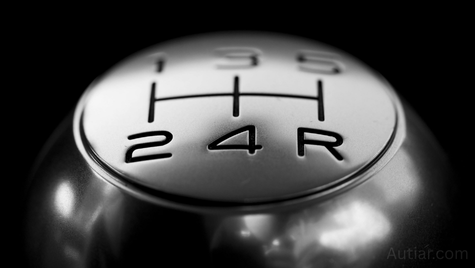
Despite declining demand, manual transmission cars are still available globally in 2026, primarily in performance, enthusiast, and entry-level segments. While automakers increasingly favor automatics for efficiency and emissions compliance, manuals persist where driver engagement remains a priority.
Why Manuals Are Declining
The global shift away from manuals is driven by:
- Stricter emissions regulations
- Improved efficiency of modern automatics
- Increasing electrification
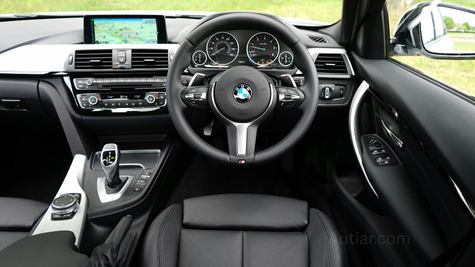
Automatic transmissions now outperform manuals in fuel economy and acceleration, making them easier to certify under emissions rules.
Where Manuals Still Exist
Manual transmissions remain available in:
- Performance cars (sports cars, hot hatches)
- Entry-level vehicles in developing markets
- Off-road-focused vehicles in select regions
Manufacturers such as Toyota, Mazda, Subaru, Porsche, BMW (M division), and Ford Performance continue to offer manuals in specific models.
Check This: MINI Countryman SE All4 Debuts in India with AWD and 440km Range
Performance Segment Stronghold
Enthusiast demand keeps manuals alive in performance vehicles. Buyers in this segment prioritize:
- Mechanical engagement
- Driver control
- Simplicity and durability
Models like performance coupes, lightweight sports cars, and certain rally-inspired hatchbacks still rely on manual gearboxes to preserve brand identity.
Regional Differences
Manual availability varies widely by market:
- Europe retains more manuals due to historical preference
- North America sees manuals mainly in enthusiast vehicles
- Asia and emerging markets still offer manuals in budget segments
Explore More: 2026 Yamaha YZF-R7 Unveiled with Advanced Features & Upgrades
Outlook
While manuals are unlikely to disappear entirely by 2030, they will remain niche offerings. Their future depends less on cost and more on whether automakers see value in maintaining enthusiast credibility.