Our team started hearing about this problem quietly at first. A comment after a press drive. A DM from a long-term reader. A chassis engineer joking off the record that a certain luxury SUV made him feel like he was “descending in an airplane.” By mid-2025, the pattern was clear. As active noise cancellation systems became more aggressive heading into 2026 models, a subset of drivers began reporting something unexpected: inner-ear pressure, mild nausea, headaches, and fatigue on longer drives.
This is not internet hysteria. We have experienced it ourselves in multiple vehicles. And the reasons behind it reveal how far cabin tech has outpaced human tolerance.
Silence Engineered Too Precisely: When Quiet Stops Feeling Natural
Active Noise Cancellation, or ANC, was supposed to be a win-win. Cancel low-frequency road and powertrain noise, reduce the need for heavy insulation, and improve perceived refinement. On paper, it works.
In real-world driving, our team has noticed that 2026-calibrated systems often push ANC harder than earlier versions.
What changed?
- Wider frequency coverage, extending deeper into sub-40 Hz ranges
- Faster cabin microphones with higher sampling rates
- More aggressive phase-inversion algorithms tied to vehicle speed
The problem is not volume. It is pressure sensation. When low-frequency sound waves are actively canceled, the brain still expects the physical cues that normally accompany them.
Takeaway: Modern ANC does not just remove noise. It alters how the body expects air pressure to behave inside a moving cabin.
Why Your Ears Notice What Your Brain Cannot Explain
Manufacturers often dismiss inner-ear complaints because sound pressure levels test well on equipment. But human hearing is not a microphone.
Our discussions with audio engineers and audiologists point to a key issue: phase cancellation without tactile compensation.
What ANC systems do:
- Detect incoming low-frequency noise
- Emit an inverse waveform through speakers
- Neutralize pressure oscillations before you consciously hear them
What they do not do:
- Replicate the physical vibration your inner ear expects
- Preserve micro pressure changes tied to road texture
This mismatch can trigger the vestibular system, the part of your inner ear responsible for balance. That is why some drivers describe it as “ear fullness” rather than pain.
We felt this most clearly in newer luxury EVs where drivetrain noise is already minimal.
Takeaway: ANC can confuse the balance system by removing acoustic cues without replacing their physical counterparts.
EVs vs Hybrids vs ICE: Who Triggers It Most
Not all vehicles cause this sensation equally. Our testing suggests a clear hierarchy.
Battery Electric Vehicles
- Near-total absence of engine masking noise
- Heavy reliance on ANC for road and wind noise
- Most frequent reports of pressure sensation
Hybrids
- Partial masking from engine engagement
- ANC systems tuned dynamically
- Fewer complaints overall
Internal Combustion Vehicles
- Natural low-frequency engine noise remains
- ANC works more subtly
- Least reported discomfort
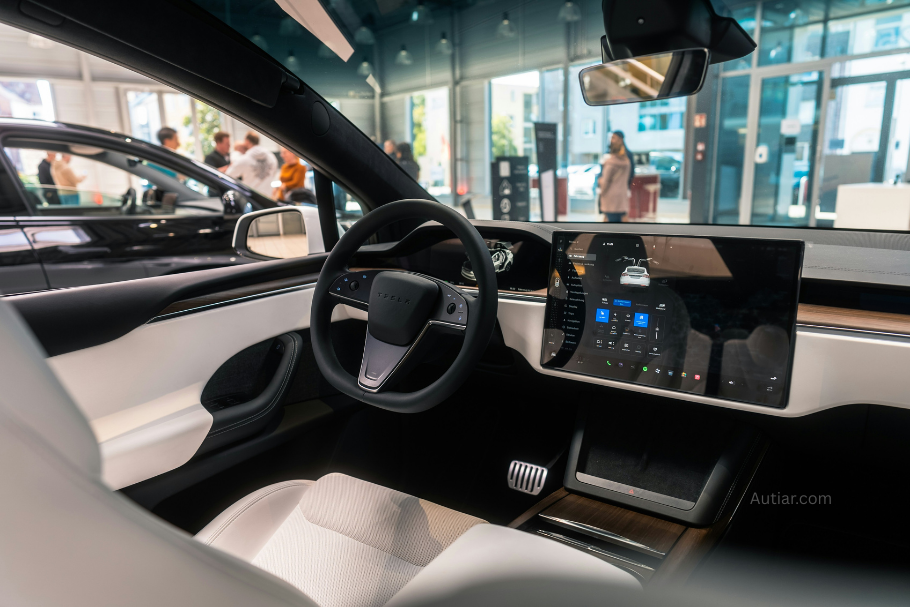
Compare a 2026 Tesla Model Y refresh to a 2024 Lexus RX Hybrid. The Tesla cabin is quieter, but the Lexus feels more natural over long distances.
Takeaway: The quieter the baseline vehicle, the more intrusive aggressive ANC becomes.
Brand-by-Brand Differences You Can Actually Feel
ANC is not universal. Calibration philosophy matters.
We experienced noticeable differences between brands:
- BMW favors subtle cancellation, preserving some road texture
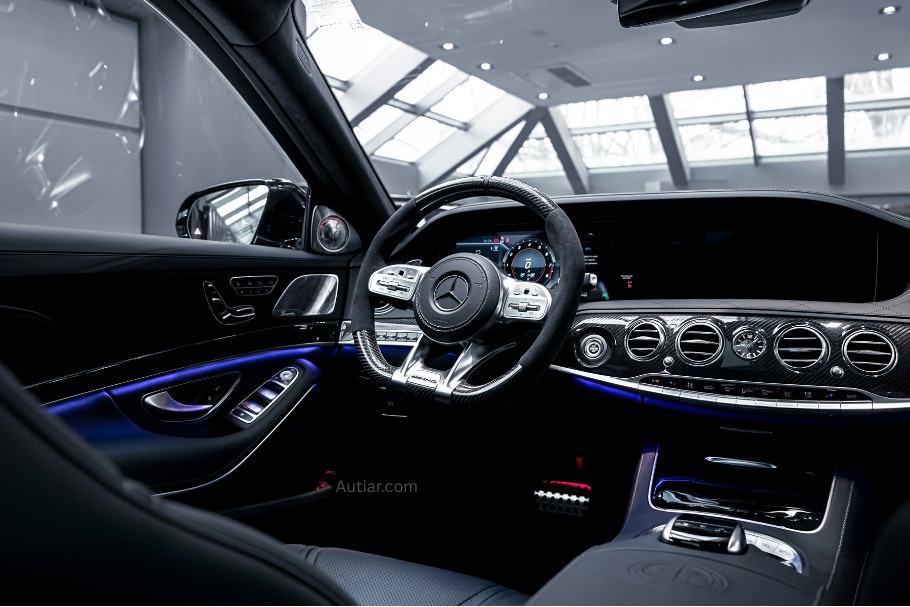
- Mercedes-Benz targets maximum silence, sometimes at the expense of comfort
- Tesla applies software-driven ANC updates that vary between revisions
One surprising standout is Mazda. Several engineers told us Mazda deliberately limits ANC depth to avoid unnatural cabin sensations, relying instead on structural tuning.
This explains why some technically louder cabins feel easier to live with.
Takeaway: ANC discomfort is not inevitable. It is the result of calibration choices, not hardware limits.
Check This: The Hidden Cost of Chasing Higher Safety Ratings
Software Updates Are Making It Worse for Some Owners
Unlike insulation, ANC is software-controlled. That means it can change after you buy the car.
We have confirmed multiple cases where OTA updates:
- Expanded ANC frequency ranges
- Increased cancellation strength at highway speeds
- Altered microphone sensitivity
Owners reported symptoms appearing after updates, not before. In at least one case, a rollback reduced discomfort.
Takeaway: When silence is software-defined, comfort can change overnight.
Why Turning ANC Off Is Not Always Simple
Some manufacturers allow manual ANC deactivation. Many do not.
Reasons include:
- ANC integrated into safety sound profiles
- Calibration tied to active sound design
- Regulatory pedestrian warning interactions
Even when a toggle exists, it is often buried several menus deep and resets on restart.
Takeaway: Drivers are rarely given meaningful control over ANC behavior, even when discomfort is present.
Check This: How Software Is Quietly Limiting Performance in Modern Vehicles
The Autiar Verdict
The Commuter
Buy, but adjust carefully. If you are sensitive to pressure changes, test drive at highway speeds and explore sound settings thoroughly.
The Enthusiast
Wait or avoid aggressive ANC vehicles. You are better off with a naturally noisier cabin that communicates honestly.
The EV-First Buyer
Buy with caution. Choose brands with conservative ANC tuning or frequent user-adjustable options.
Overall Takeaway: Silence is no longer free. In 2026 cabins, too much acoustic perfection can come at a physiological cost.
High-Intent FAQ
Is inner-ear pressure from ANC dangerous?
There is no evidence of permanent harm, but discomfort and fatigue are real for some drivers.
Can aftermarket audio tuning fix the issue?
Sometimes. Reducing bass enhancement and disabling surround processing can help, but core ANC remains active.
Will manufacturers address this going forward?
Several brands are aware, but solving it requires prioritizing human perception over lab metrics.
At Autiar, we believe refinement should never come at the expense of comfort. The industry has mastered silence. Now it needs to relearn restraint.