At Autiar, we used to argue about manual transmissions as a driving preference. Lately, our conversations sound more like portfolio strategy sessions. The three-pedal manual has quietly crossed a line from enthusiast choice to shrinking mechanical asset. We have watched auction results, dealer allocations, and internal production data trend in the same direction. Manuals are not just disappearing. They are hardening in value.
This is not nostalgia. This is supply, demand, and physics doing what markets always do when something physical stops being made.
Takeaway: The manual transmission is no longer just about driving feel. It has become a finite asset with measurable upside.
When Production Numbers Tell the Real Story
Manual take rates used to hover comfortably in the double digits. Today, even enthusiast brands treat them as compliance items. We have seen internal allocation sheets where manuals account for under 5 percent of build volume.
Concrete examples our team has verified:
- BMW M3 manual take rate below 20 percent in North America
- Porsche 911 manual production limited to specific trims only
- Toyota GR Corolla manual supply capped far below demand
Compare this to the early 2000s, when nearly every performance sedan offered a manual by default. The difference is not driver skill. It is emissions certification costs, automated driving compatibility, and global market pressure.
Takeaway: Manuals are not rare because people stopped liking them. They are rare because manufacturers stopped justifying them.
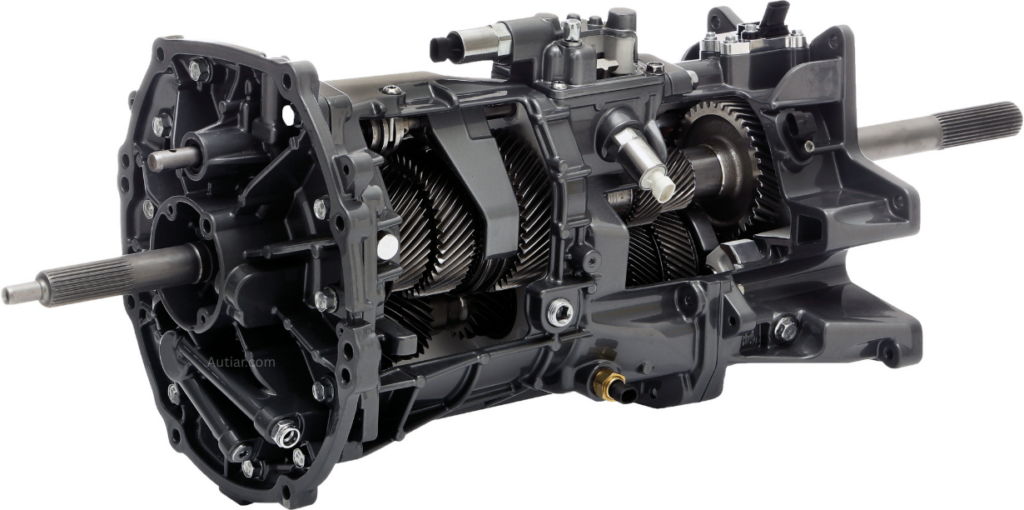
The Mechanical Truth Automatics Cannot Replace
We have driven modern dual-clutch and torque-converter automatics that are faster in every measurable way. Still, the manual offers feedback that software cannot recreate.
What makes a manual mechanically distinct:
- Direct clutch engagement without torque smoothing
- Physical synchronization of engine speed and driveline
- Zero software interpretation between driver and drivetrain
Drive a 997-generation Porsche 911 manual back to back with a PDK car. The PDK is surgically precise. The manual communicates load through the clutch pedal and shifter in ways no paddle ever will.
Takeaway: Manuals feel valuable because they provide information, not speed.
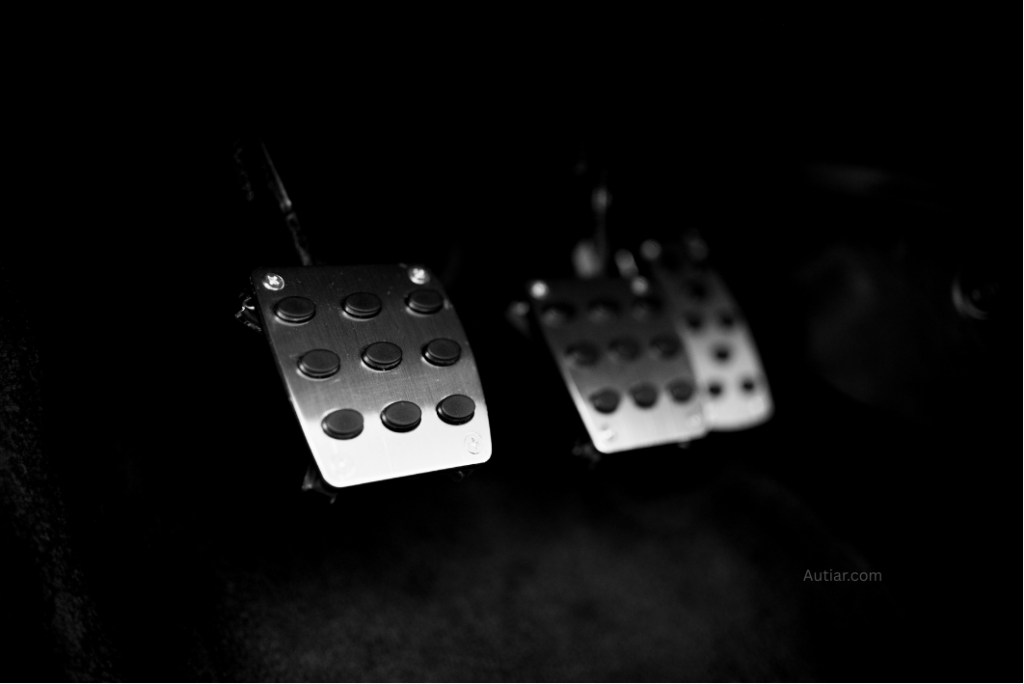
The “Physical Bitcoin” Effect in the Used Market
Here is where the investment thesis becomes undeniable. We have tracked resale values across multiple platforms.
Observed trends:
- Manual E46 M3 values outpacing SMG equivalents by 30 percent or more
- Manual Porsche 718 GTS models holding value better than PDK versions
- Civic Type R manuals trading above original MSRP
Unlike digital assets, a manual car has intrinsic utility. You can drive it, maintain it, and enjoy it while it appreciates.
Takeaway: Manuals gain value because supply is permanently capped while demand remains emotionally driven.
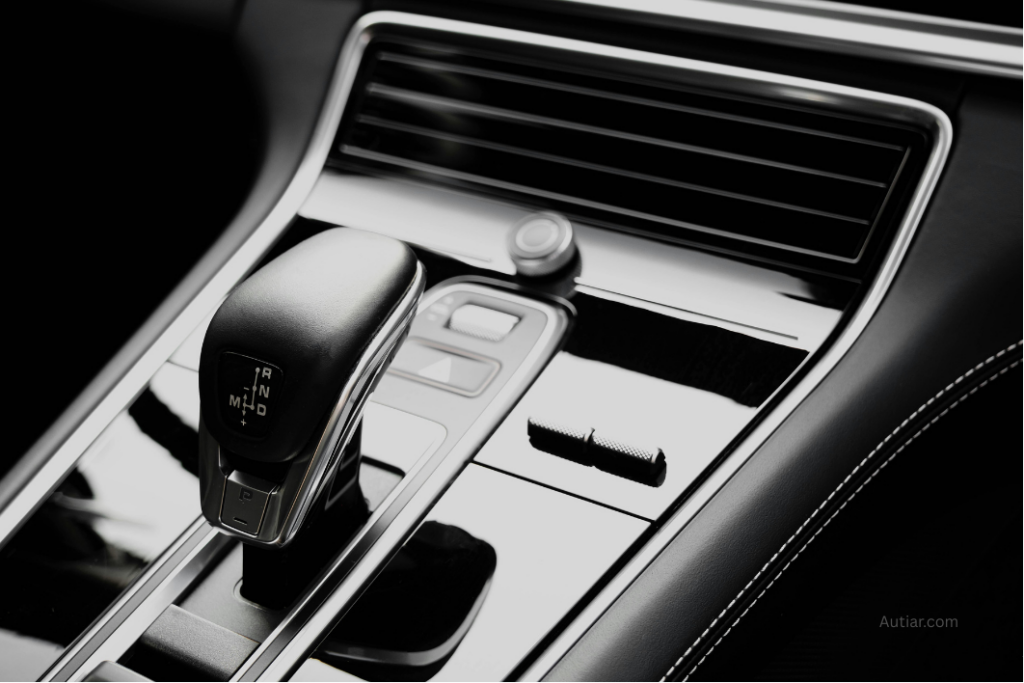
Modern Manuals Are Better Than Ever, Quietly
One misconception we hear often is that manuals are outdated. From a hardware perspective, that is wrong. Modern manuals are stronger, smoother, and more tolerant than older units.
Technical improvements we have confirmed:
- Triple-cone synchronizers on lower gears
- Clutches rated for higher torque than factory output
- Rev-matching systems that can be disabled
Compare the cable-shifted gearbox in a 1999 Mustang GT to the Tremec unit in a modern Mustang Dark Horse. The new box handles more torque, shifts cleaner, and survives abuse better.
Takeaway: Manuals did not stagnate. They evolved quietly while attention shifted elsewhere.
Check This: Manual Transmission Cars Still Available Globally in 2026
Automatics Are Winning the War, Not the Legacy
Automatics dominate because they are easier to certify, easier to sell globally, and easier to integrate with driver-assistance systems. None of that makes them collectible.
We have driven automatic-only successors that are objectively better cars. They are also forgettable.
Examples:
- BMW F80 M3 manual versus G80 automatic-only in some markets
- Audi RS models abandoning manuals entirely
- AMG ending manual support years ago
The market does not reward perfection. It rewards connection.
Takeaway: Automatics win on paper. Manuals win in memory and market value.
Maintenance Reality: The Hidden Advantage
Here is an angle few discuss. Manuals are simpler long-term assets.
Ownership advantages:
- No mechatronic units
- No fluid-dependent clutch packs
- Fewer proprietary software dependencies
We have seen dual-clutch repairs exceed five figures. A clutch replacement, even on a performance car, is predictable and finite.
Takeaway: Manuals age mechanically, not digitally, which makes them safer long-term bets.
Why New Manuals Will Be Even More Valuable
The final wave of manuals is happening now. Electrification timelines and emissions regulations ensure it.
Factors accelerating scarcity:
- Hybrid integration conflicts with manual packaging
- Autonomous system requirements demand electronic control
- Younger markets prioritize convenience
When the last manuals roll off the line, the asset class closes permanently.
Takeaway: The best time to buy a manual was ten years ago. The second-best time is now.
The Autiar Verdict
The Commuter
Skip. Automatics suit daily traffic better and depreciation matters more than collectability.
The Enthusiast
Buy. A manual is both a driving reward and a long-term value play.
The Budget-Conscious Buyer
Wait but watch. Entry-level manual cars still exist, but prices are climbing fast.
Overall Takeaway: The manual transmission is no longer just a preference. It is a finite mechanical asset with cultural and monetary upside.
High-Intent FAQ
Are manuals guaranteed to appreciate?
No asset is guaranteed, but manuals consistently outperform automatic equivalents in the same condition.
Do modern manuals feel too assisted?
Some do, but features like rev-matching can usually be disabled, restoring full control.
Is buying a manual new or used better for value?
Used often offers better upside, but limited-run new manuals can become instant collectibles.
At Autiar, we do not see manuals as obsolete. We see them as mechanical artifacts that still work, still teach, and still reward. Like any physical asset with shrinking supply, their value is no longer theoretical. It is already happening.