Unlocking the Future of Retail: The Essential Role of AI Dress Brand Monitoring in Fashion Industry Success
In the fast-paced retail environment, **AI dress brand monitoring** has become an essential asset for fashion companies striving to outperform their rivals. This new approach harnesses artificial intelligence to assess brand performance and track consumer sentiment in real-time. By employing automated apparel tracking and AI-driven analytic tools, brands can uncover vital insights into market trends, optimize inventory management, and tailor marketing strategies effectively. As the fashion industry continues to evolve, effective AI dress brand monitoring will be important for brand sustainability and relevance, ensuring businesses remain competitive today and beyond.
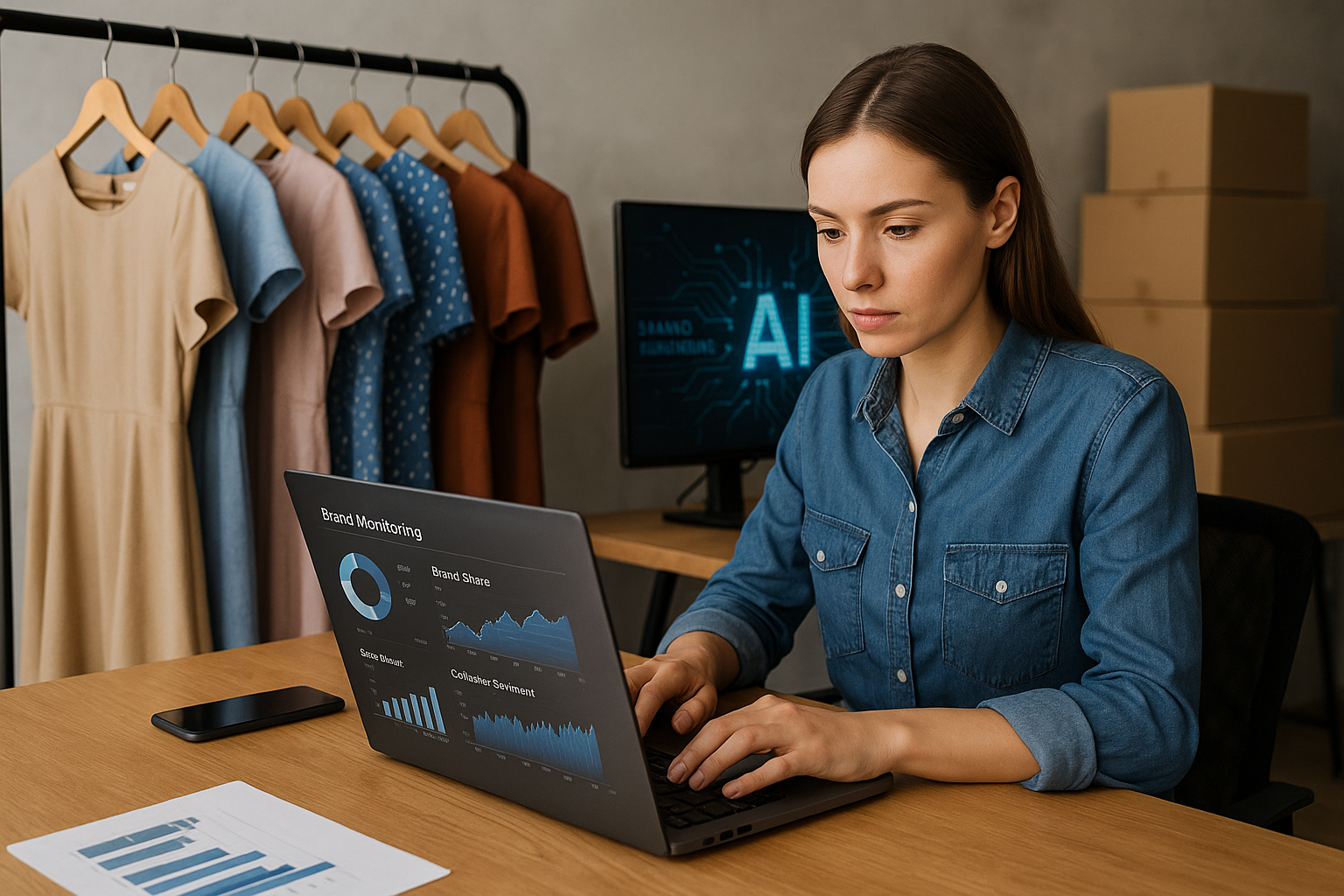
In the rapidly evolving field of retail, AI dress brand monitoring has emerged as an essential tool for brands aiming to stay ahead of the competition. Leveraging advanced technologies, businesses can gain deep insights into market trends, consumer preferences, and brand performance. This allows companies to adapt their strategies effectively and strengthen their market position.
Understanding AI Dress Brand Monitoring
AI dress brand monitoring refers to the application of artificial intelligence technologies to analyze and track fashion brands and their performance in real-time. By utilizing automated apparel tracking systems, brands can gather and assess data on various metrics, such as sales trends, customer feedback, and stock levels. This information is invaluable for making informed business decisions.
The Role of AI in Fashion Brand Analysis
AI fashion brand analysis is revolutionizing how brands assess their market position and consumer engagement. With the help of machine learning algorithms, companies can identify patterns and predict future buying behaviors. This level of analysis helps brands create tailored marketing strategies that resonate with their target audience. Moreover, AI-driven fashion monitoring platforms enable businesses to conduct detailed market research swiftly.
Benefits of Automated Apparel Tracking
Automated apparel tracking provides multiple benefits, including:
- Real-time insights into inventory management
- Enhanced understanding of customer preferences
- Improved supply chain efficiency
- Ability to quickly respond to market changes
- Data-driven forecasting for future product launches
Smart Dress Brand Insights
Utilizing intelligent clothing brand analytics, businesses can gain smart dress brand insights that inform product development and marketing strategies. These AI-powered tools analyze vast amounts of data to gauge customer sentiment and emerging trends, allowing fashion brands to innovate continuously. By integrating these insights, companies can ensure they remain competitive and relevant in the market.
Enhancing Fashion Brand Performance with AI
Fashion brand performance AI tools facilitate more effective decision-making, optimizing marketing campaigns and product offerings. Brands that use this technology not only enhance their operational efficiency but also improve customer satisfaction. With AI-driven insights, brands can adapt their strategies to meet evolving consumer demands.
The Future of AI in Fashion
As the fashion industry continues to grow, embracing AI technologies will become increasingly vital. With the rise of e-commerce and digital marketing, AI dress brand monitoring will provide businesses with the tools they need to stand out in a crowded marketplace. Continuous advancements in AI will further empower brands to refine their approaches, paving the way for new and impactful fashion experiences.
Conclusion
AI dress brand monitoring represents a significant shift in how fashion brands operate. By implementing AI fashion brand analysis, automated apparel tracking, and intelligent clothing brand analytics, businesses can optimize their performance and enhance customer engagement. This strategic approach is essential for remaining relevant in an ever-changing industry, providing brands the insights needed to thrive today and beyond.
Key Metrics That Matter Most in AI Monitoring
To maximize the value of AI dress brand monitoring, fashion companies need to focus on the metrics that directly influence growth and profitability. These often include sell-through rates, return patterns, pricing performance, customer sentiment, social engagement, and competitor assortment changes. When these indicators are tracked together, brands gain a clearer picture of what is driving demand and where adjustments are needed.
AI can also help separate short-term noise from meaningful shifts in consumer behavior. Instead of reacting to every spike or slowdown, decision-makers can prioritize the signals that reveal lasting opportunities. This leads to more precise merchandising, better promotional timing, and stronger alignment between creative direction and commercial results.
How AI Supports Faster Competitive Benchmarking
In the fashion industry, competitive awareness is critical. AI-powered monitoring allows brands to compare their positioning against rivals across categories such as pricing, product variety, seasonal launches, and consumer response. This creates a more dynamic benchmarking process than traditional reporting methods, which can quickly become outdated in a fast-moving retail environment.
With timely benchmarking insights, brands can identify where they are outperforming the market and where competitors may be gaining attention. This visibility helps leadership teams refine brand messaging, improve assortment planning, and uncover gaps that can be turned into strategic advantages.
Building a More Responsive Retail Strategy
One of the most practical advantages of AI monitoring is the ability to build a more responsive retail strategy. When data from multiple touchpoints is unified and analyzed continuously, brands can make faster decisions about replenishment, markdowns, campaign adjustments, and product prioritization. This level of agility is especially valuable during seasonal transitions and trend-driven demand shifts.
A responsive strategy does more than protect sales. It also improves the customer experience by making sure the right styles, sizes, and price points are available at the right time. In a market where shoppers have endless choices, this responsiveness can make a major difference in retention, loyalty, and long-term brand strength.