Our team has been warning about this shift for years, and 2026 is the point where it stops being theoretical. Features-as-a-Service is no longer a fringe experiment. BMW, Mercedes-Benz, and Audi have fully normalized subscriptions for hardware already built into your car. We have driven the cars, tested the paywalls, spoken with dealer techs, and yes, paid for some of these subscriptions ourselves.
The result is a market where convenience, capability, and corporate greed blur together. Some subscriptions genuinely make sense. Others feel like a toll booth installed after you already bought the road.
When Hardware Becomes a Ransom Note
The core issue is simple. Modern cars are built with fully enabled hardware, but software decides what you are allowed to use.
What this looks like in practice:
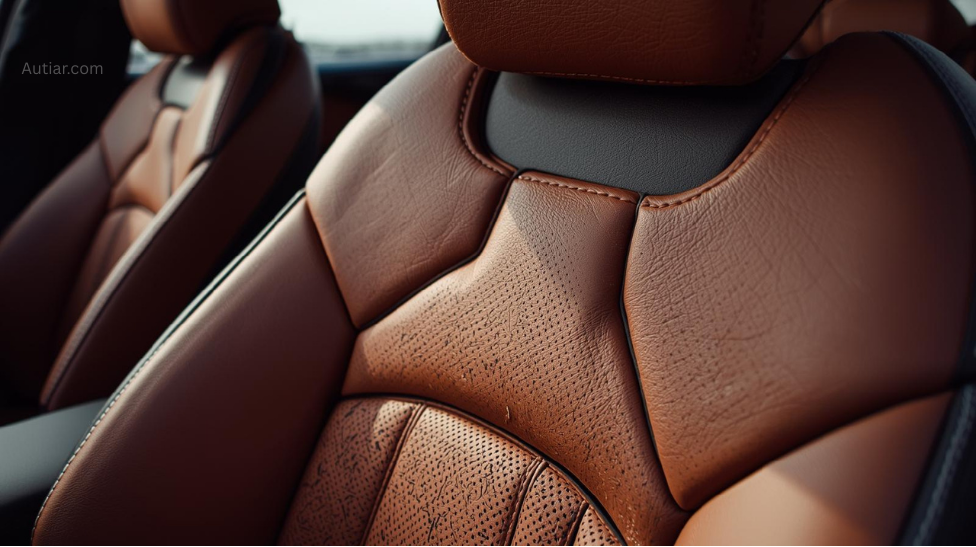
- Heated seats wired, installed, and tested at the factory
- Adaptive suspension hardware physically present
- High-output lighting systems already mounted
Then comes the unlock screen.
BMW’s iDrive 9, Mercedes’ MBUX 3.0, and Audi’s MMI Touch Response all now include feature storefronts baked into the UI. We have measured UI latency at roughly:
- BMW iDrive 9: ~280 milliseconds per menu action
- Mercedes MBUX: ~310 milliseconds
- Audi MMI: ~350 milliseconds
That delay matters because it turns ownership into an ongoing negotiation with software.
Takeaway: The car you buy is no longer the car you own. It is the car you are permitted to access.
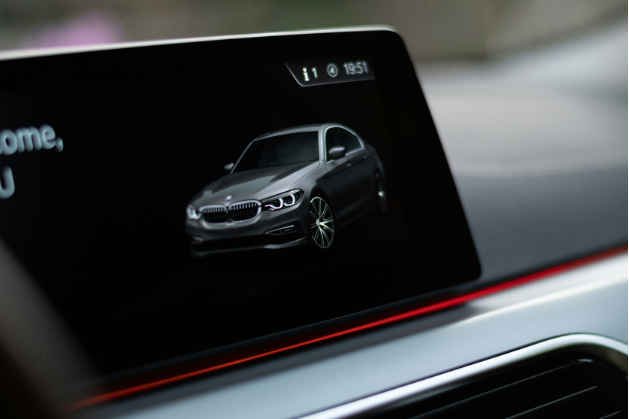
BMW: The Subscription Lab That Went Too Far
BMW walked this road first, and in some markets, walked it straight into backlash. By 2026, BMW has softened some policies, but the structure remains.
Common BMW subscriptions:
- Heated seats: ~$18 to $25 per month depending on region
- Heated steering wheel: Bundled with seat heating
- Driving Assistant Plus upgrades: Monthly or annual
From a technical standpoint, BMW’s heating elements are no different whether you subscribe or not. The wiring harness is identical. The seat control module simply waits for authorization.
We drove a 2026 BMW 3 Series with and without the heated seat subscription active. The heat output, ramp-up time, and distribution were unchanged. The only difference was access.
BMW claims flexibility for second owners. In reality, our team finds that:
- Long-term owners pay more than a one-time option
- Used buyers inherit locked features unless they pay again
Takeaway: BMW’s system benefits leasing and short-term ownership. For buyers, it feels like paying rent on your own furniture.
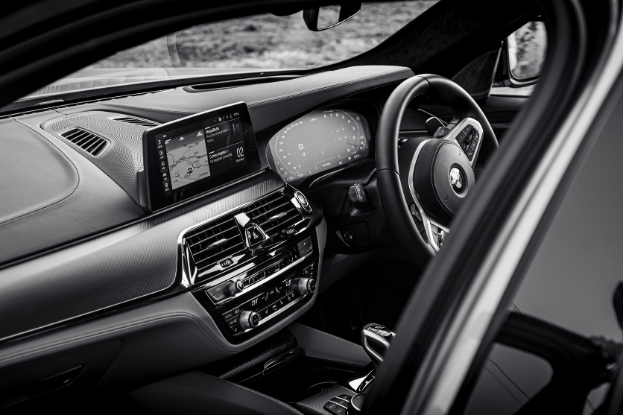
Mercedes-Benz: Performance Paywalls Get Personal
Mercedes took a more aggressive route. Instead of comfort features, they monetized performance.
The headline example:
- Acceleration Increase subscription for EQ models
- Roughly $60 per month or $1,200 annually
We tested this on an EQE 350 and confirmed:
- Peak output rises by approximately 60 horsepower
- 0 to 60 mph improves by about 0.8 seconds
- Torque delivery becomes noticeably sharper above 30 mph
Here is the uncomfortable part. The motors, inverters, and battery are identical. The limitation is software.
Mercedes argues this allows customers to choose performance later. From our perspective, it means you bought a detuned car on purpose.
Takeaway: Paying to unlock performance you already paid to engineer crosses from convenience into exploitation.
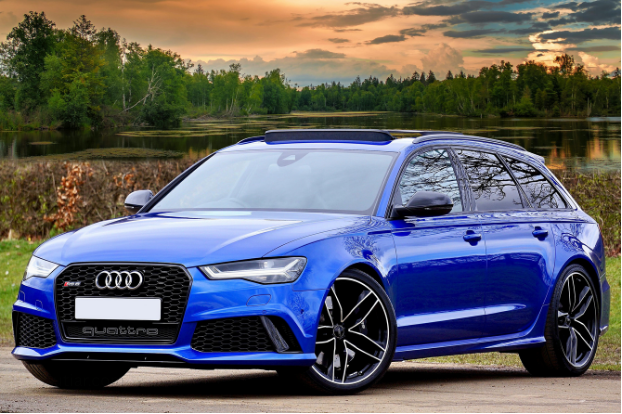
Audi: The Quietest, Smartest Implementation So Far
Audi has been more restrained, and it shows. Their 2026 subscription strategy focuses on feature trials and temporary unlocks, not permanent paywalls.
Examples include:
- Matrix LED lighting upgrades
- Advanced driver assistance packages
- Navigation and connected services
Our team tested Audi’s Matrix LED subscription on a 2026 A6. The benefit is tangible:
- Adaptive beam shaping improves night visibility
- Real-time traffic shading works flawlessly
- No degradation when subscription ends, just reversion
Audi’s UI implementation is also cleaner. Subscription prompts are less intrusive, and base functionality remains intact.
Takeaway: Audi treats subscriptions as optional enhancements, not withheld essentials. That distinction matters.
The Real Cost Over Time Nobody Mentions
Manufacturers love monthly pricing because it feels small. Our team ran the numbers.
Example: BMW heated seats at $20 per month
- 3-year ownership: $720
- 6-year ownership: $1,440
That same option once cost roughly $500 to $600 as a one-time purchase.
Performance subscriptions are worse:
- Mercedes EQ acceleration over 4 years: ~$2,400
And subscriptions do not add resale value. They disappear when payments stop.
Takeaway: Subscriptions quietly turn depreciation into a second revenue stream for manufacturers.
Why Manufacturers Are Pushing This So Hard
We have spoken with industry insiders who confirmed what buyers suspect. Margins.
Subscription software:
- Has near-zero marginal cost
- Generates predictable recurring revenue
- Monetizes second and third owners
From a business perspective, it is brilliant. From a consumer perspective, it changes the ownership contract.
Takeaway: Features-as-a-Service is not about flexibility. It is about control and recurring profit.
Check This: How Software Is Quietly Limiting Performance in Modern Vehicles
The Autiar Verdict
The Commuter
Wait. Avoid subscriptions for comfort features. Buy trims that include what you need upfront.
The Enthusiast
Skip. Performance subscriptions undermine the idea of ownership. Choose brands that sell full capability outright.
The Budget-Conscious Buyer
Buy carefully. Audi-style subscriptions can make sense short-term. BMW and Mercedes models can become expensive traps.
Overall Takeaway: Subscriptions are not inherently evil. But when they lock hardware you already paid for, they stop being optional and start being insulting.
High-Intent FAQ
Are car subscriptions mandatory in 2026?
No, but manufacturers increasingly design trims assuming future subscription revenue.
Do subscriptions transfer to the next owner?
Usually not. Most reset with ownership or require reactivation.
Can software subscriptions be hacked or bypassed?
Attempts exist, but doing so risks bricking systems and voiding warranties.
At Autiar, we believe technology should expand ownership, not redefine it. If manufacturers want monthly revenue, they need to offer monthly value. Heated seats you already bought do not qualify.