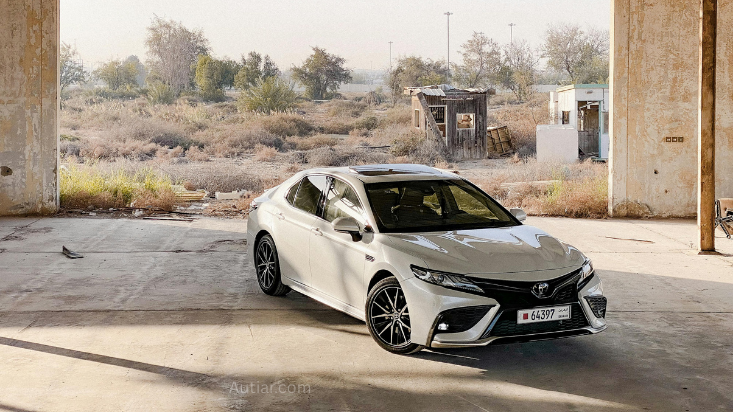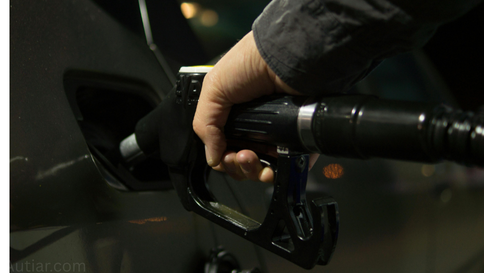
Fuel economy figures are among the most influential data points for car buyers, yet by 2026 the gap between official fuel economy ratings and real-world consumption remains persistent. While testing procedures have evolved to better reflect everyday driving, official numbers still serve a regulatory and comparative purpose rather than a predictive one. The reasons for this gap are structural, technical, and unavoidable.
Purpose of Official Fuel Economy Ratings
Official fuel economy figures are designed to:
- Allow comparison between vehicles
- Support emissions and taxation regulations
- Provide a standardized benchmark
They are not intended to represent how every vehicle will perform in all real-world scenarios. Testing is conducted under controlled, repeatable conditions to ensure consistency across manufacturers.
Controlled Testing Conditions
Standardized test cycles follow fixed parameters:
- Preset acceleration and deceleration patterns
- Limited top speeds
- Flat terrain
- Moderate ambient temperatures
- Minimal accessory usage
These conditions are intentionally narrow to eliminate variability. While this improves comparability, it excludes many factors that influence real-world fuel consumption.
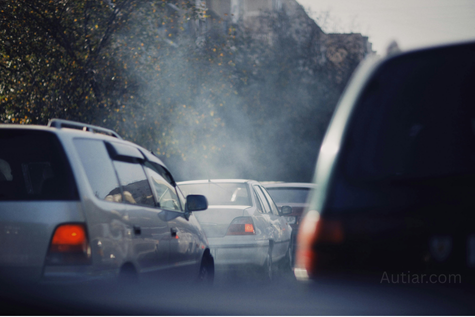
Driving Behavior and Load Variability
In real driving, fuel consumption varies widely based on:
- Acceleration intensity
- Traffic density
- Vehicle load
- Road gradient
Aggressive throttle use, frequent stop-and-go traffic, and high-speed cruising all increase fuel consumption beyond test-cycle assumptions. Even two drivers using the same vehicle can see significantly different results.
Impact of Engine Technology
Modern powertrains amplify the rating gap in specific ways.
Turbocharged engines often show strong laboratory results because test cycles limit boost usage. In real driving, frequent acceleration and highway cruising require sustained boost, increasing fuel consumption.
Hybrid vehicles perform closer to official ratings in urban conditions where regenerative braking and electric operation are maximized. At highway speeds, their advantage diminishes as the combustion engine does more work.
Electric vehicles are highly sensitive to temperature, speed, and load. Cold weather, high speeds, and cabin heating can significantly reduce real-world range compared to test results.
Environmental Conditions
Official tests are conducted at controlled temperatures. In real conditions:
- Cold weather increases friction and energy demand
- Hot weather increases cooling system load
- Wind resistance rises sharply at higher speeds
These factors compound fuel consumption and are not fully captured in standardized testing.
Vehicle Configuration Differences
Test vehicles are often configured with:
- Smaller wheels
- Low-resistance tires
- Minimal optional equipment
In reality, many buyers choose larger wheels, wider tires, roof racks, or additional accessories, all of which increase drag and rolling resistance.
Why Testing Cannot Fully Replicate Reality
Accurately modeling real-world driving would require:
- Infinite combinations of speed, load, terrain, and climate
- Region-specific testing protocols
- Driver behavior modeling
This would undermine the purpose of standardized ratings and make cross-vehicle comparisons impractical.
Regulatory Constraints
Fuel economy testing also serves regulatory frameworks tied to:
- Fleet emissions targets
- Taxation brackets
- Compliance penalties
As a result, testing protocols must remain stable and predictable, even if they sacrifice realism.
Explore More: 2026 Yamaha YZF-R7 Unveiled with Advanced Features & Upgrades
Role of Real-World Data
Increasingly, manufacturers and regulators supplement official ratings with:
- Real-world fuel consumption data
- Onboard trip computer averages
- User-reported driving results
These sources provide context but are inherently variable and cannot replace standardized testing.
How Buyers Should Interpret Ratings
Official fuel economy figures should be treated as:
- Relative performance indicators
- Best-case benchmarks
Rather than guaranteed outcomes. Buyers should expect variation based on usage patterns and environment.
Check This: MINI Countryman SE All4 Debuts in India with AWD and 440km Range
Conclusion
The gap between official fuel economy ratings and real-world results persists because standardized testing prioritizes consistency over realism. While modern test cycles are more representative than earlier versions, they cannot account for the complexity of real driving. Understanding this limitation allows buyers to make informed decisions and set realistic expectations rather than relying solely on laboratory figures.