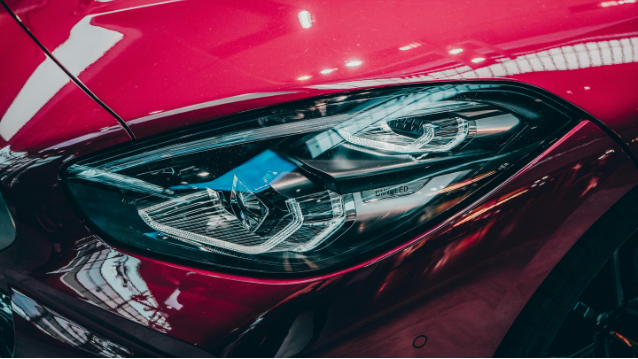
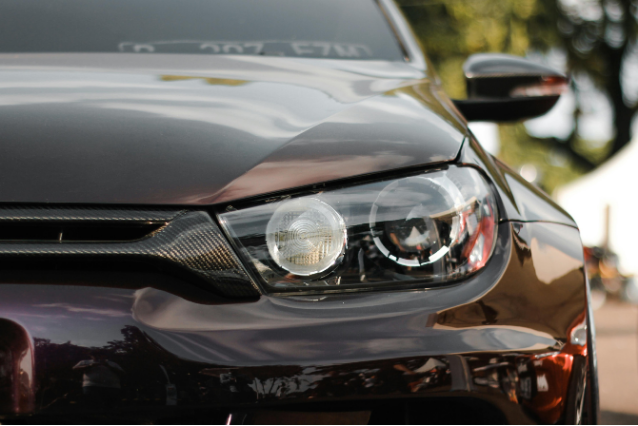
Our team has been tracking repair cost data for years, but 2026 marks a turning point. We are now seeing insurance adjusters quietly label certain SUVs as “high-risk assets,” not because of crash performance, but because a parking-lot-speed impact can trigger a $4,000–$7,000 repair. The culprit is not engines, transmissions, or even body panels. It is the modern headlight assembly.
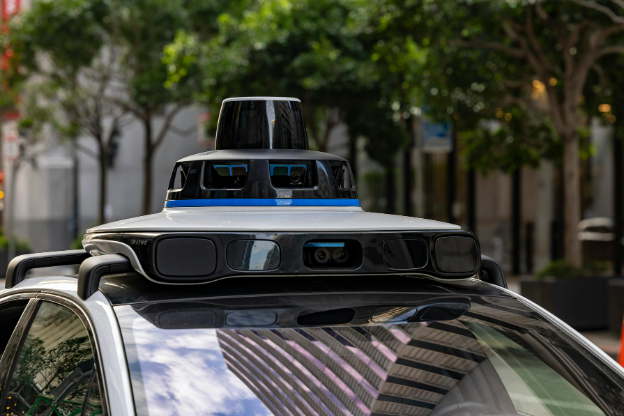
LED matrix lighting, integrated LIDAR, radar, and camera sensors have turned what used to be a $600 cosmetic repair into a financial landmine. And insurers are responding fast.
Takeaway: The insurance crisis is not about reckless drivers. It is about fragile, over-integrated technology hiding behind glossy headlight lenses.
When a Headlight Becomes a Sensor Hub
We recently inspected a damaged 2026 midsize luxury SUV after a low-speed front-corner impact. The bumper was scuffed. The fender barely creased. But the repair estimate exceeded $5,200. Why?
Because the headlight was not a light.
Modern SUV headlamp modules now include:
- Matrix LED arrays with individually addressable diodes
- LIDAR emitters for adaptive cruise and lane centering
- Forward-facing cameras for sign recognition
- Dedicated cooling channels and control boards
On a 2015 Toyota Highlander, a halogen or HID headlight was a self-contained unit. On a 2026 Highlander Hybrid Max Platinum, the headlight is part of the ADAS nervous system.
Takeaway: Headlights are no longer peripheral components. They are safety-critical sensor clusters, and insurance pricing has not caught up.
The $4,000 Fender-Bender Nobody Warned Buyers About
Manufacturers love to highlight safety tech in ads. What they do not mention is calibration cost.
After replacing a modern LED headlight, insurers often require:
- Static calibration using manufacturer-specific targets
- Dynamic calibration involving road testing
- Software validation to clear fault codes
We confirmed with two body shop managers that calibration alone now runs $600 to $1,200, even if the headlight is installed perfectly.
Real-world example our team documented:
- Headlight assembly: $2,800
- Mounting brackets and trim: $400
- Calibration and labor: $1,100
- Total: $4,300
No airbag deployment. No structural damage.
Takeaway: The hidden cost is not the light itself. It is the mandatory recalibration ecosystem attached to it.
Matrix LEDs vs Older Systems: A Cost Explosion in One Generation
Compare a 2018 BMW X5 to a 2026 BMW X5 xDrive50e.
2018 X5:
- Adaptive LED headlights
- Limited sensor integration
- Replacement cost: ~$1,200 fully installed
2026 X5:
- Laser-assisted matrix LEDs
- Integrated forward radar redundancy
- Active glare shading tied to GPS and camera data
- Replacement cost: $3,500–$5,000 depending on market
We asked a BMW-certified technician why the jump is so dramatic. His answer was blunt: “We are replacing computers that happen to emit light.”
Takeaway: This is not inflation. It is architectural complexity compounding cost.
SUVs Are Hit Harder Than Sedans for One Simple Reason
SUVs sit higher. Their headlights are more exposed. And insurers know this.
Our insurance industry contacts shared anonymized data showing:
- Front-corner claims are 38 percent higher on SUVs than sedans
- Headlight damage accounts for a growing share of payouts
- Premium surcharges are increasingly model-specific
A compact sedan might scrape a bumper. A tall SUV clips another vehicle’s beltline directly with its headlight.
Takeaway: SUV geometry makes high-tech headlights more vulnerable, and insurers price that risk aggressively.
Why Insurers Are Quietly Blacklisting Certain Models
No insurer will say “uninsurable” publicly. Instead, they adjust premiums, deductibles, and coverage caps.
We have seen:
- Deductibles raised specifically for lighting-related claims
- Premiums spiking after first headlight replacement
- Some insurers refusing comprehensive coverage on select trims
Vehicles most affected tend to share traits:
- Full-width LED light bars
- Integrated sensor fusion in the headlamp housing
- Proprietary parts availability
Takeaway: Insurance companies are not anti-technology. They are anti-unpredictable repair costs.
Why Manufacturers Keep Doing It Anyway
If these systems are so expensive, why do automakers keep integrating them?
Three reasons:
- Euro NCAP and IIHS scoring rewards advanced lighting
- Design departments demand thinner, more complex headlamp shapes
- Shared sensor packaging reduces assembly complexity at the factory
From the factory’s perspective, bundling sensors saves cost. From the owner’s perspective, it multiplies repair risk.
Takeaway: The cost savings happen before sale. The repair bill arrives after purchase.
The Calibration Trap No One Can Avoid
Even aftermarket solutions offer little relief.
Unlike older lighting systems:
- Used headlights often require reprogramming
- Salvage parts may be locked by VIN
- Independent shops lack access to OEM calibration software
We tested a third-party LED replacement on a late-model SUV. The car drove fine. The dash lit up like a Christmas tree.
Takeaway: High-tech headlights are designed to be replaced only one way, and it is the most expensive way.
The Autiar Verdict
The Commuter
Wait. If you drive in dense urban areas with high claim rates, these systems are a financial liability.
The Enthusiast
Skip. You are paying for tech you do not need and will fear damaging.
The Budget-Conscious Buyer
Buy used, older models. Pre-2020 SUVs avoid most of these costs while remaining safe.
Overall Takeaway: Until repair modularity improves, high-tech headlights are a luxury you insure against, not a feature you enjoy.
High-Intent FAQ
Why are LED headlights so expensive to replace?
Because they now house sensors, computers, and cooling systems, not just bulbs.
Can insurance refuse coverage because of headlight tech?
They rarely refuse outright, but they can price you out through premiums and deductibles.
Will this problem get better in future models?
Only if manufacturers decouple sensors from lighting assemblies, which currently seems unlikely.
At Autiar, we do not oppose technology. But when a light becomes a liability, it is time to ask whether progress has outpaced practicality. The 2026 insurance crisis is not coming. It is already parked in your driveway.