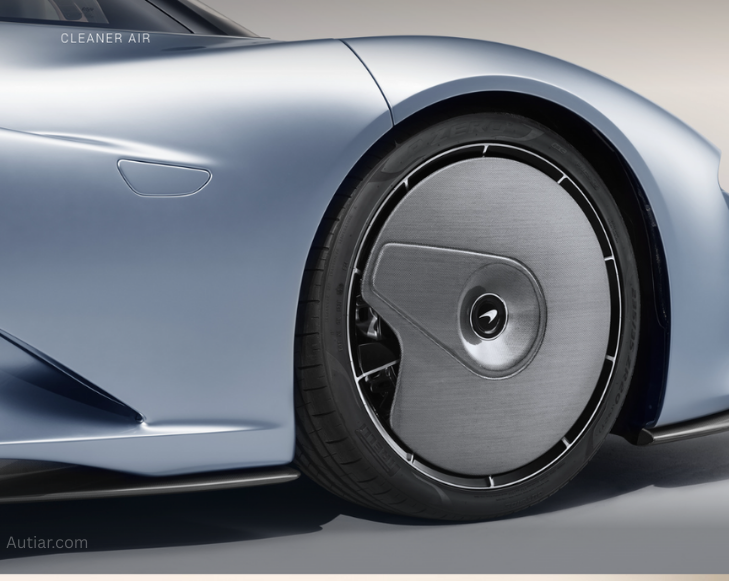
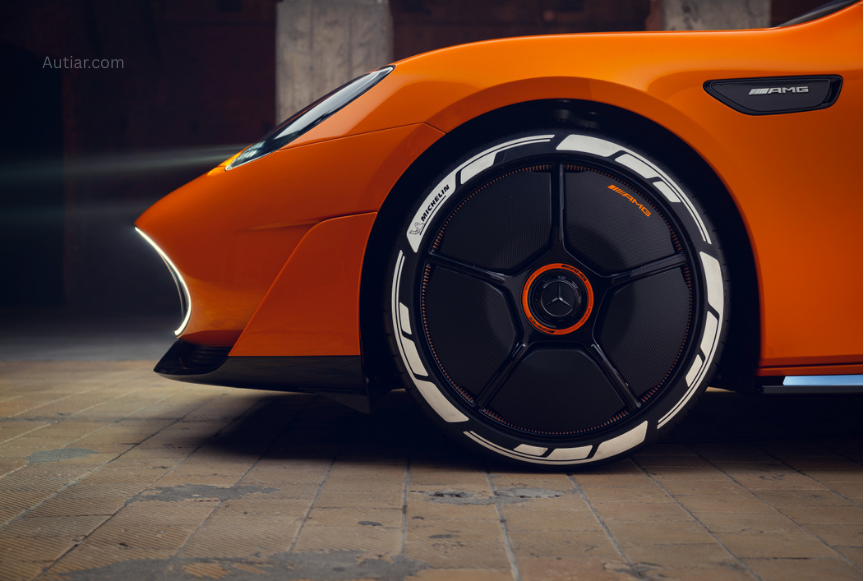
Our team has lost count of how many times we’ve stood around a 2026 prototype, stared at the wheels, and said the same thing: “Where did the spokes go?” What used to be a design flex is now a smooth, near-solid disc that looks more kitchenware than motorsport. And no, this isn’t designers losing their nerve. It’s physics winning a fight designers can’t dodge anymore.
When Wheels Became Aero Devices Instead of Style Statements
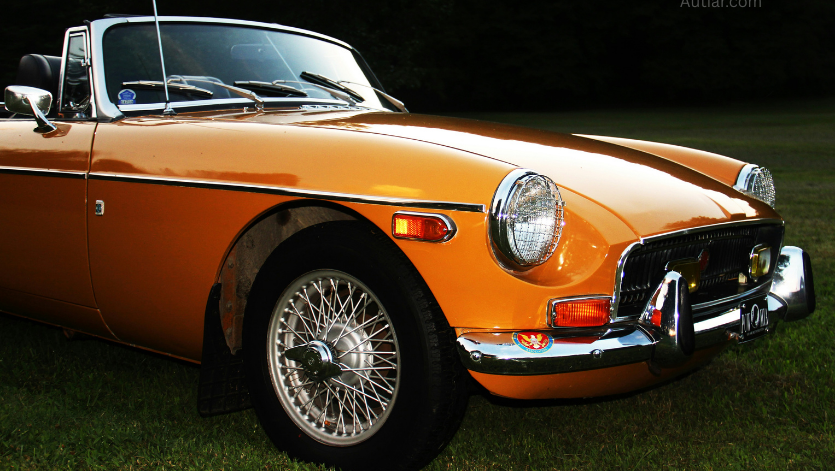
For decades, wheels were about aesthetics first. Thin spokes, deep cuts, visual motion. But modern wheels are now expected to function as aerodynamic control surfaces.
What changed:
- Drag coefficients now measured to the third decimal place
- EV and hybrid range targets pushing aero gains everywhere
- Wheels contributing up to 25 percent of total vehicle aerodynamic drag
We’ve seen wind tunnel data from multiple OEMs showing that open-spoke wheels create turbulent wake zones that spill into the side of the car. A smooth wheel face reduces that turbulence dramatically.
Compare a 2015 Audi A6 on open five-spoke wheels to the 2026 A6 e-tron concept. Same footprint, radically different airflow behavior.
Takeaway: Wheels are no longer jewelry. They are aerodynamic tools, and spokes are collateral damage.
The Physics Nobody Can Argue With: Drag Beats Cooling at Road Speeds
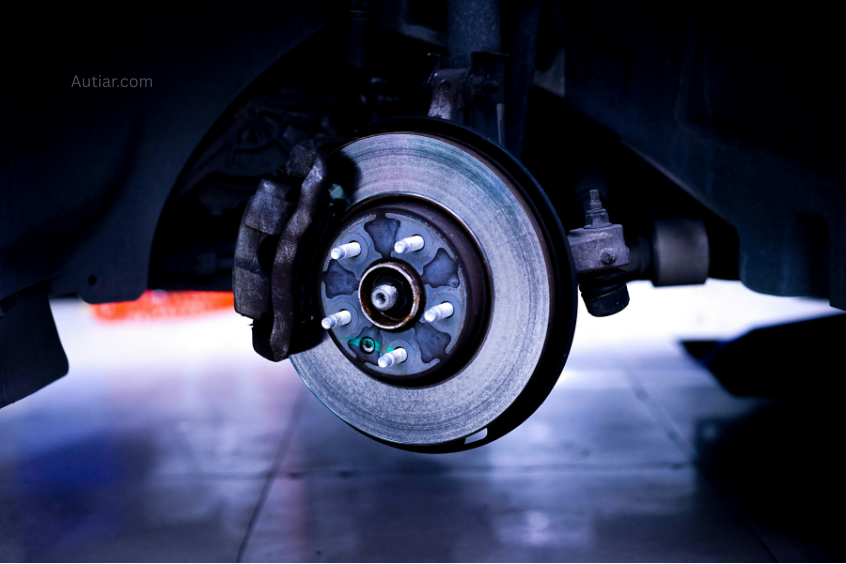
Brake cooling used to be the primary argument for open wheels. More airflow meant cooler rotors. That logic still holds on track. It collapses on public roads.
What our team has confirmed through engineering briefings:
- At highway speeds, drag penalties outweigh cooling benefits
- Regenerative braking on EVs reduces rotor heat dramatically
- Friction brakes are used less frequently and for shorter durations
On a modern EV, brakes are often cold. We have logged surface temperatures under 120°F during aggressive street driving in vehicles like the Tesla Model Y Performance.
Manufacturers are making a rational trade:
- Slightly reduced passive cooling
- Significant drag reduction and range improvement
Takeaway: On the street, aero efficiency matters more than brake airflow. Track logic no longer applies to daily driving.
EVs Accelerated a Trend ICE Cars Can’t Escape
This didn’t start with EVs, but EVs made it unavoidable.
We’ve driven the Mercedes EQS, BMW i7, and Hyundai Ioniq 6 back-to-back. All wear wheels that look sealed off compared to their ICE predecessors.
Why EVs forced the issue:
- Every 1 percent drag reduction equals measurable range gain
- Wheels sit directly in high-energy airflow
- Aero wheels can add 10 to 20 miles of highway range
Once OEMs invested in these designs for EVs, the tooling and data spilled over to ICE and hybrid models. That’s why even gas-powered 2026 sedans now wear “aero-first” wheels.
Takeaway: EVs didn’t kill spokes alone, but they made their survival economically impossible.
Fake Spokes, Plastic Covers, and the Illusion of Choice
Here’s the part enthusiasts hate most. Many modern wheels are not truly solid. They are traditional alloys hiding behind plastic aero covers.
We’ve removed these covers ourselves. Underneath:
- Often a conventional multi-spoke wheel
- Sometimes shockingly basic cast designs
- Aero covers adding 3 to 5 pounds per corner
Manufacturers do this because:
- It’s cheaper than forging bespoke aero wheels
- Consumers still want visual complexity
- Regulations allow it
Compare the Tesla Model 3’s Aero wheels to the BMW i4’s near-solid alloys. Tesla embraces the cover. BMW integrates the look structurally.
Takeaway: Many “dinner plate” wheels are cosmetic compromises, not pure engineering solutions.
Brake Cooling Isn’t Gone, It’s Just Being Re-routed
Here’s what doesn’t get talked about enough. Engineers didn’t forget brakes. They changed how they cool them.
Modern solutions we’ve documented:
- Directed air channels from underbody diffusers
- Rotor hats designed for internal airflow efficiency
- Active brake cooling flaps that open only when needed
Porsche’s Taycan is a perfect example. Its wheels look closed, but cooling air is ducted precisely where it matters. That level of engineering isn’t cheap, but it works.
Takeaway: Brake cooling hasn’t disappeared. It’s just no longer dependent on visible spokes.
Check This: The Hidden Cost of Chasing Higher Safety Ratings
Why Bigger Wheels Made the Problem Worse
The shift to 20, 21, even 23-inch wheels amplified everything.
Bigger wheels mean:
- Larger frontal area
- More rotating mass disrupting airflow
- Higher aero penalties for open designs
A 21-inch open wheel creates far more drag than an 18-inch equivalent. Closing the face becomes the easiest fix.
We’ve tested vehicles where changing wheel design alone altered highway efficiency by 3 to 5 percent. That’s not theoretical. That’s measurable.
Takeaway: The bigger the wheel, the stronger the incentive to close it off.
Check This: Why Cars Are Losing Steering Feel (And Why It’s Hard to Fix)
The Autiar Verdict
The Commuter
Buy. Aero wheels improve range, reduce noise, and you will never stress street brakes enough to miss open spokes.
The Enthusiast
Wait or modify. If you track your car, you’ll want lighter, open wheels and dedicated cooling solutions.
The Budget-Conscious Buyer
Buy with caution. Aero covers are cheap to replace but easy to damage. Check replacement costs.
Overall Takeaway: The spoke isn’t dead because designers hate fun. It’s dying because airflow doesn’t care about nostalgia.
High-Intent FAQ
Do solid wheels actually hurt brake performance on the street?
No. Modern braking systems and regen mean most drivers will never notice a difference.
Can removing aero covers improve handling?
Sometimes. Reduced unsprung weight can help, but you’ll lose efficiency and increase noise.
Will open-spoke wheels make a comeback?
Yes, but mostly on performance trims where efficiency matters less than heat management.
At Autiar, we don’t love how these wheels look. But we understand why they exist. In the war between airflow and aesthetics, airflow is undefeated.