It is a common experience for drivers to step into a modern car with modest horsepower figures and feel that it accelerates more decisively than an older vehicle with significantly more power on paper. This perception is not psychological. It is the result of fundamental changes in engine tuning, transmission design, torque delivery, vehicle electronics, and drivetrain optimization. Horsepower remains an important metric, but it no longer explains how fast a car feels in everyday driving.
Torque Delivery Has Moved Lower in the Rev Range
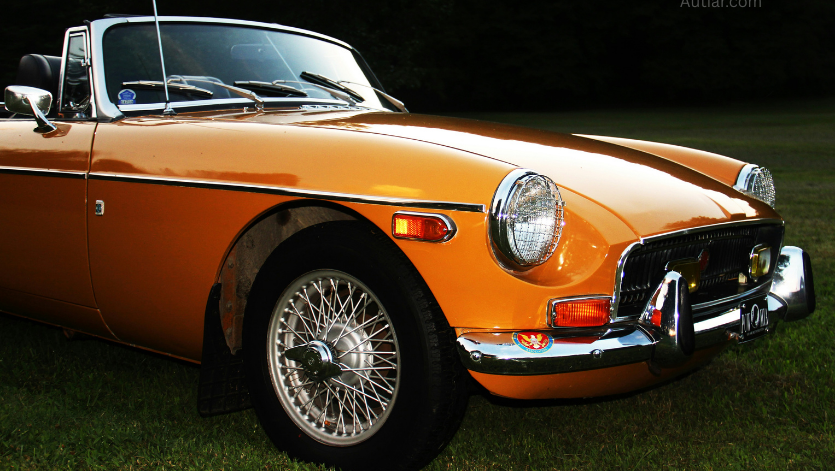
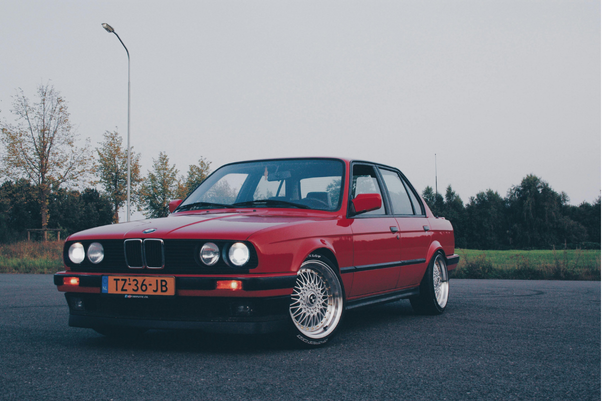
Older performance cars often made their power high in the rev range. Large naturally aspirated engines typically required high engine speeds to deliver peak output. Below those speeds, torque was limited, meaning acceleration felt weaker unless the engine was worked hard.
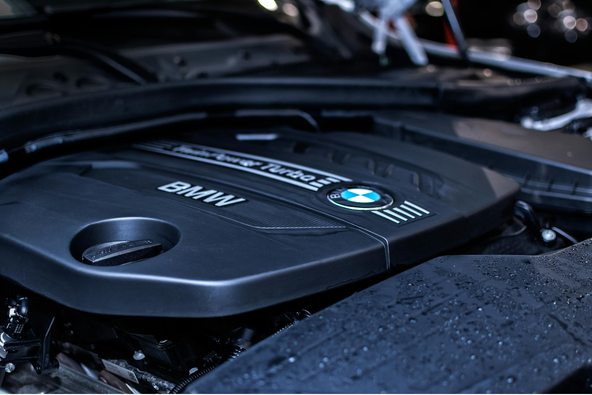
Modern engines are tuned very differently. Turbocharging, variable valve timing, and direct injection allow engines to produce strong torque at much lower rpm. This means that when a driver presses the accelerator at city or highway speeds, the engine is already operating near its most effective torque range.
Acceleration that happens immediately feels stronger than acceleration that builds gradually, even if peak power is lower.
Transmissions Are No Longer Passive Components
In older vehicles, transmissions were largely mechanical devices with limited intelligence. Gear selection was conservative, shift times were slow, and downshifts often required deliberate driver input.
Modern transmissions are active performance systems. Whether automatic, dual-clutch, or CVT-based, they:
- Predict throttle input
- Pre-select optimal gears
- Execute shifts in milliseconds
- Keep the engine within its strongest operating range
A modern eight- or ten-speed automatic ensures the engine is almost always in the correct gear for acceleration. This eliminates the hesitation and power gaps that older transmissions introduced.
As a result, modern cars feel constantly “on boost,” even when cruising.
Throttle Mapping Has Changed Perception of Speed
Throttle pedals in older cars were mechanically linked to the engine. Pedal position directly controlled throttle opening, creating a linear relationship between input and output.
Modern cars use electronic throttle control, allowing manufacturers to map throttle response independently of actual engine output. Many vehicles are calibrated so that:
- Small pedal inputs produce large initial response
- Torque ramps up aggressively at low speeds
- Full throttle is reached earlier in pedal travel
This does not increase actual power, but it compresses the sensation of acceleration into a shorter pedal movement. The car feels more responsive and urgent, even when objective acceleration numbers are similar.
Gearing Is Shorter and More Aggressive
Older cars often used taller gearing to reduce noise, wear, and fuel consumption. First and second gears were long, requiring time to build speed.
Modern vehicles use shorter lower gears, multiplying torque more effectively at launch and during low-speed acceleration. Combined with rapid shifting, this creates strong initial acceleration without needing high engine speeds.
Even vehicles with modest horsepower benefit from optimized gear ratios that maximize usable torque rather than peak output.
Vehicle Electronics Manage Traction and Power Delivery
In older high-power cars, traction was often the limiting factor. Excess wheelspin reduced effective acceleration, especially in front-wheel-drive or rear-wheel-drive vehicles without advanced traction control.
Modern cars use:
- High-speed traction control
- Torque vectoring
- Engine output modulation
These systems allow vehicles to apply more power earlier without wheelspin. Acceleration becomes cleaner and more efficient, making the car feel faster even when raw power is lower.
Weight Distribution and Chassis Stiffness Matter More Than Before
Older vehicles often flexed under load. Chassis rigidity was lower, suspension geometry changed under acceleration, and power delivery felt less direct.
Modern platforms are significantly stiffer. This rigidity:
- Improves suspension control
- Reduces energy loss
- Allows power to translate more directly into forward motion
Better weight distribution and suspension tuning further enhance traction, especially during launches and mid-speed acceleration.
Noise, Vibration, and Harshness Shape Perception
Sound plays a major role in how speed is perceived. Older cars were often louder but less refined. Engine noise increased gradually, matching the rise in speed.
Modern cars often use:
- Engine sound enhancement
- Induction noise tuning
- Cabin acoustics engineering
These techniques emphasize low- and mid-range engine sounds during acceleration, reinforcing the sensation of speed even at moderate velocities.
Check This: MINI Countryman SE All4 Debuts in India with AWD and 440km Range
Modern Performance Is Optimized for Real Roads
Older high-horsepower cars were often designed with track or top-speed performance in mind. Their strengths appeared at high speeds and high revs.
Modern cars are optimized for:
- Urban driving
- Highway overtaking
- Short acceleration bursts
This matches how cars are actually driven, making performance more accessible and noticeable.
Horsepower Still Matters — Just Differently
Horsepower remains important for:
- Sustained high-speed acceleration
- Track performance
- Top-end speed
However, in daily driving, torque availability, gearing, responsiveness, and electronics dominate how fast a car feels.
Explore More: 2026 Yamaha YZF-R7 Unveiled with Advanced Features & Upgrades
Conclusion
Modern cars feel faster not because they are lying about performance, but because engineering priorities have shifted. Power is delivered sooner, more efficiently, and with fewer interruptions. Transmissions anticipate driver intent, electronics manage traction seamlessly, and engines are tuned for immediate response rather than peak output.
Horsepower numbers tell only part of the story. In real-world driving, how quickly and effectively a car delivers usable torque matters far more — and modern cars are engineered to excel precisely there.