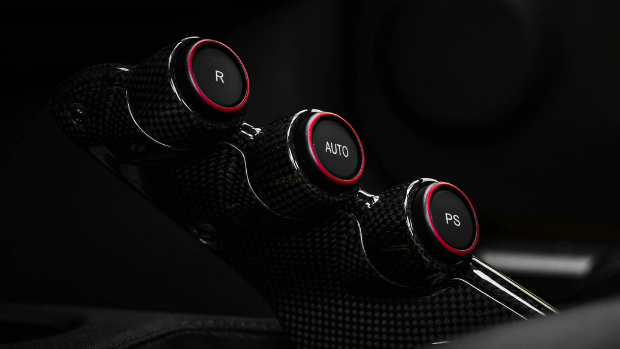
After years of aggressive digitization, many automakers are reintroducing physical buttons, knobs, and switches into vehicle interiors. This shift does not represent a rejection of digital interfaces, but rather a recalibration based on usability data, safety research, regulatory pressure, and customer feedback. By 2026, the industry has largely acknowledged that touch-only interfaces introduce measurable drawbacks that cannot be ignored.
The Push Toward Touchscreens
The move toward touchscreen-dominated interiors accelerated for several reasons:
- Cost reduction through software consolidation
- Simplified manufacturing across global markets
- Visual differentiation and perceived modernity
Replacing physical controls with a single display reduced parts count and allowed manufacturers to update features through software rather than hardware redesigns. Early adoption focused on infotainment, but climate controls, seat functions, and even driving settings soon migrated to touchscreens.
Usability and Cognitive Load
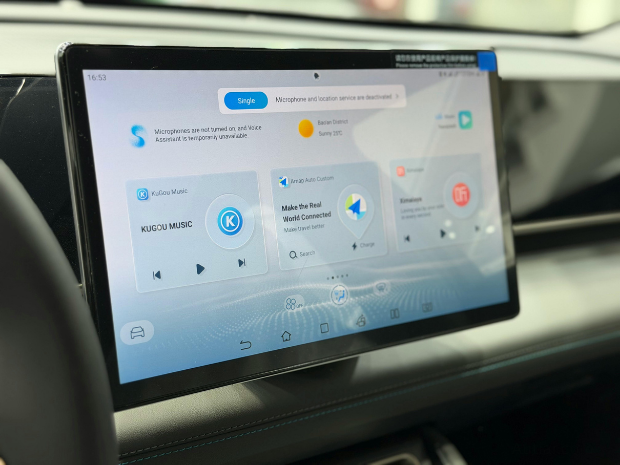
Real-world testing revealed a core problem: touchscreens increase driver cognitive load. Unlike physical buttons, touch controls:
- Provide no tactile reference
- Require visual confirmation
- Demand greater attention time
Studies measuring driver reaction times consistently showed that adjusting climate or vehicle settings via touchscreens takes significantly longer than using physical controls. This delay increases distraction, particularly at highway speeds.
Loss of Muscle Memory
Physical buttons allow drivers to develop muscle memory, enabling adjustments without looking away from the road. Touch interfaces reset this advantage because:
- Screen layouts change with software updates
- Controls shift between menus
- Flat surfaces offer no positional feedback
As a result, drivers must visually search for controls every time, even for routine tasks.
Environmental and Situational Limitations
Touchscreens perform poorly under certain conditions:
- Glare from sunlight reduces visibility
- Cold weather affects screen responsiveness
- Vibration and uneven roads reduce touch accuracy
Physical buttons remain functional regardless of lighting, temperature, or road conditions. This reliability becomes more important in vehicles designed for long-distance travel, off-road use, or harsh climates.
Safety and Regulatory Influence
Safety authorities increasingly view excessive touchscreen reliance as a distraction risk. While no global regulation bans touchscreens outright, several safety assessment programs now factor control accessibility into their scoring.
Some regions require critical functions—such as hazard lights or defrost controls—to be accessible without navigating menus. Manufacturers reintroducing physical controls often do so to:
- Meet safety evaluation criteria
- Reduce liability exposure
- Improve real-world safety performance
Customer Feedback and Satisfaction
Owner surveys revealed consistent dissatisfaction with touch-only interiors. Common complaints include:
- Difficulty making adjustments while driving
- Lag or software glitches
- Overcomplicated menus for simple tasks
As vehicles age, touchscreen performance can degrade, while physical buttons typically maintain functionality for decades.
Manufacturing and Cost Reality
Touchscreens were initially promoted as cost-saving solutions. Over time, this advantage narrowed due to:
- Larger display sizes
- Higher-resolution panels
- More powerful processors
Reintroducing physical buttons selectively—particularly for climate and frequently used functions—has proven cost-neutral in many cases while improving user satisfaction.
Hybrid Interface Design
The current industry trend favors hybrid interfaces, combining:
- Touchscreens for navigation and infotainment
- Physical controls for climate, volume, drive modes, and safety systems
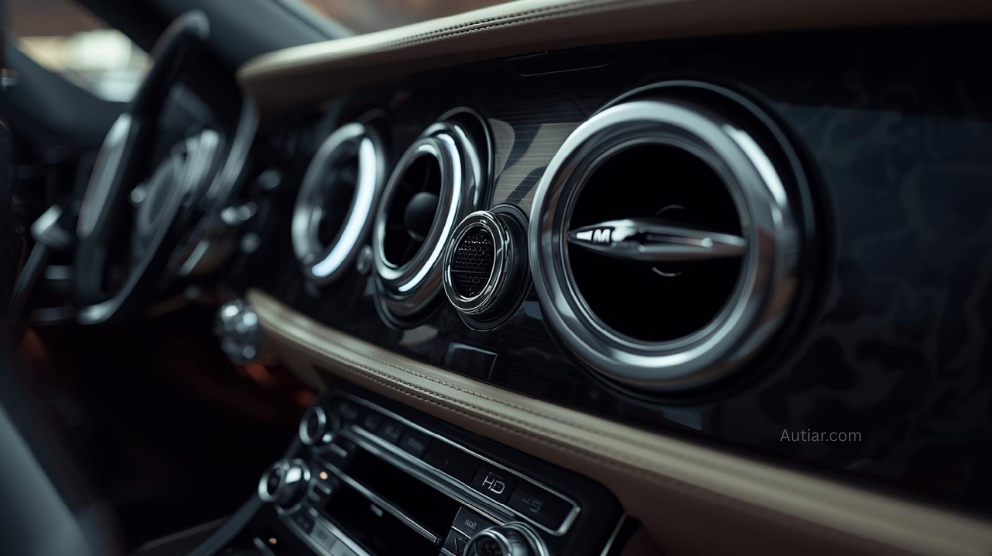
This approach balances digital flexibility with tactile reliability. Physical knobs for temperature and volume have returned most consistently, as they are among the most frequently adjusted controls.
Explore More: 2026 Yamaha YZF-R7 Unveiled with Advanced Features & Upgrades
Impact on Brand Identity
Interior control philosophy now influences brand perception. Vehicles with intuitive physical interfaces are increasingly associated with:
- Driver-focused design
- Long-term usability
- Functional sophistication rather than novelty
Manufacturers seeking to differentiate on quality rather than screen size are prioritizing ergonomics over minimalism.
Future Outlook
Touchscreens will remain central to vehicle interfaces, but their dominance is no longer absolute. Future interiors are likely to:
- Limit touch interaction while driving
- Integrate physical controls with haptic feedback
- Prioritize usability metrics alongside aesthetics
Voice control and contextual automation may reduce the need for manual interaction, but physical controls will continue to serve as a reliable fallback.
Check This: MINI Countryman SE All4 Debuts in India with AWD and 440km Range
Conclusion
The return of physical buttons is not a regression—it is an evidence-based correction. Automakers are responding to measurable usability issues, safety considerations, and customer expectations. By reintroducing tactile controls for critical functions, manufacturers are improving real-world usability without abandoning digital innovation. The result is a more balanced interior design that prioritizes function over novelty.